


How to Choose Between Full Truck Load and Part Load
Understand when a dedicated truck saves you money, time and risk — and when sharing space still makes sense.
Why the choice matters
Every shipper eventually asks the same question: should this consignment travel as a full truck load or share space with other cargo? The answer affects cost, transit time and the safety of your goods, so it is worth getting right.
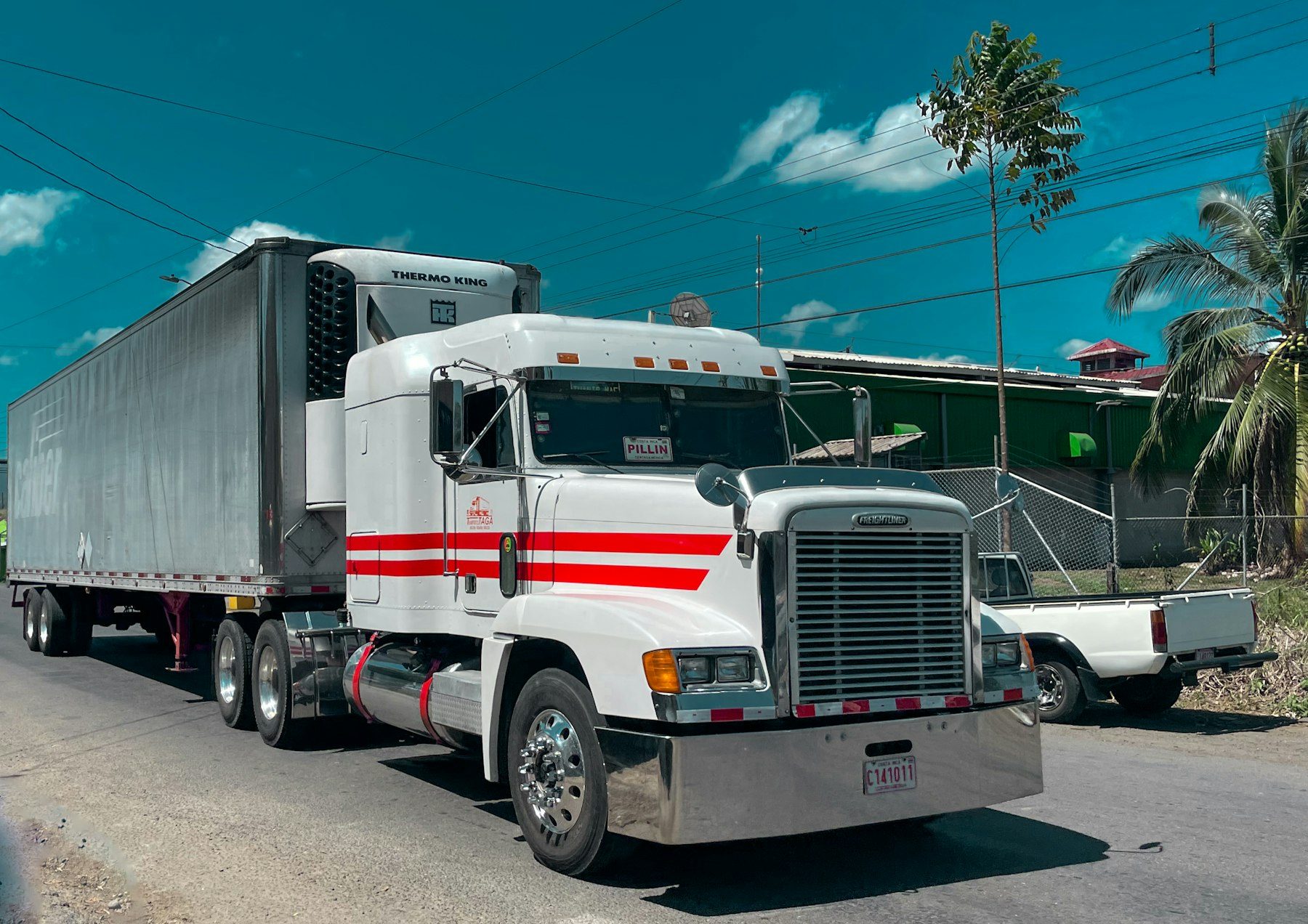
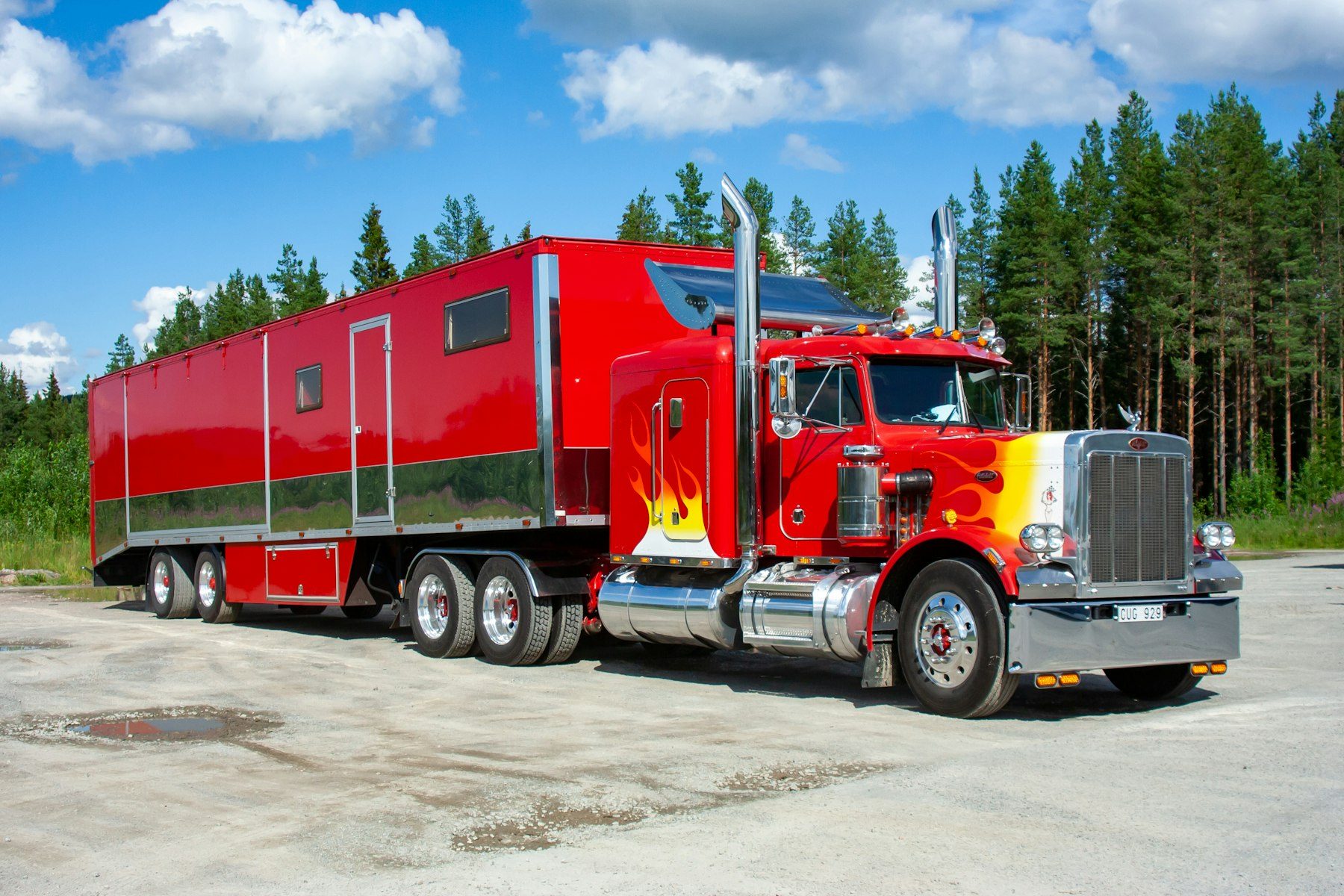
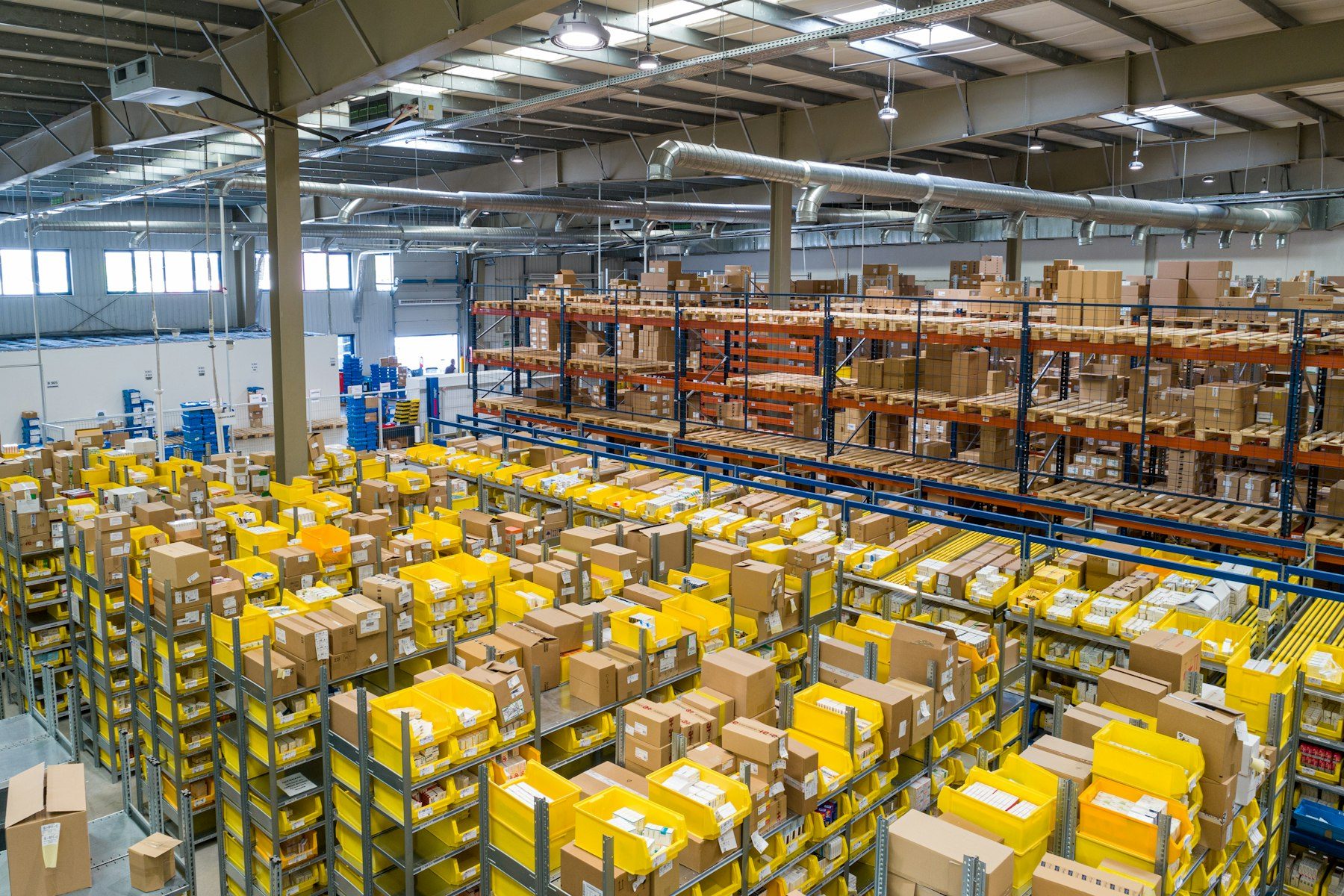
In a full truck load, a single vehicle carries only your cargo from origin to destination. In part-load movement, your goods are consolidated with other consignments and may be handled at one or more transfer points on the way.
When Full Truck Load is the better choice
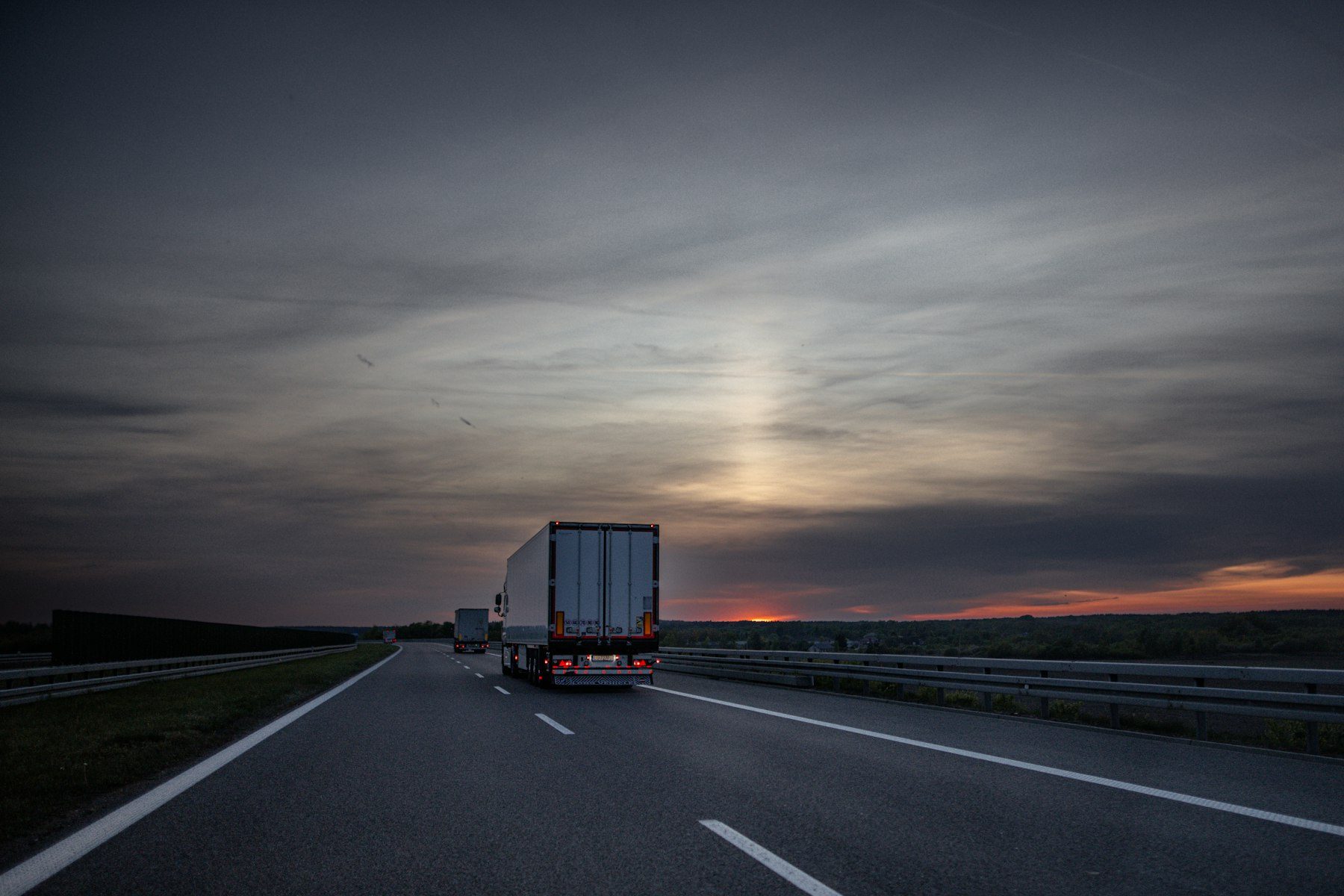
FTL usually wins when your cargo is large enough to fill most of a truck, when the goods are fragile or high-value, or when delivery time is critical. Because there is no transshipment, there is less handling and a lower chance of damage or loss.
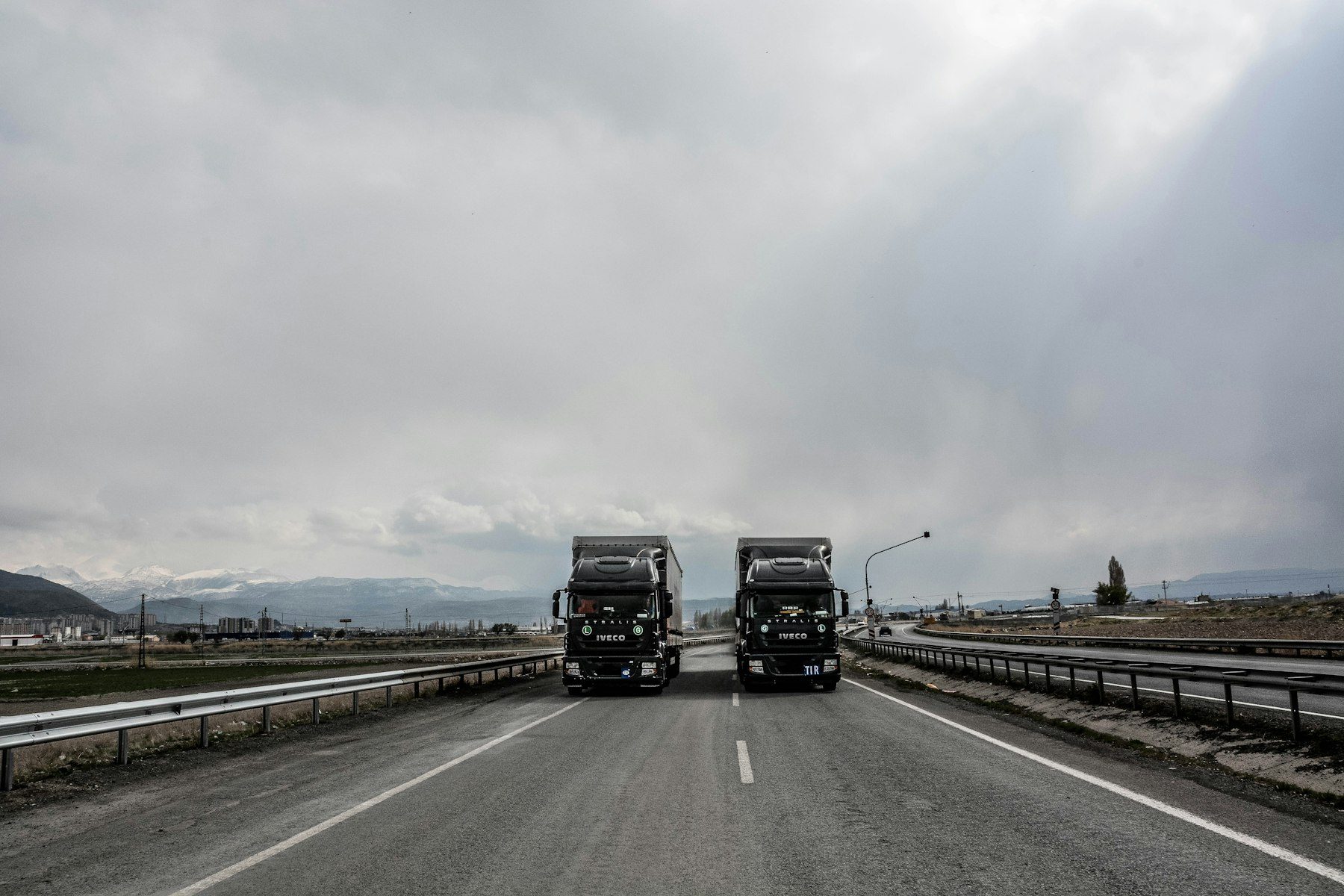
It is also the natural choice for point-to-point movement between two fixed locations, such as a factory and a distribution warehouse, where direct movement removes delays altogether.
- Cargo fills most of a truck by weight or volume
- Goods are fragile, high-value or sensitive to handling
- You need predictable, direct delivery dates
- Pickup and delivery are single, fixed locations
A quick way to decide
Compare the cost of a dedicated truck against the cost of part-load plus the hidden costs of delay and handling damage. If the numbers are close, FTL is usually the safer option. Our team can give you a quick quote for both so you can decide with real figures.